

A well-tailored suit starts with one decision that happens before the tailor ever picks up a measuring tape — the fabric. Get this right, and everything else follows.
Whether you're investing in a wedding suit, business attire, or festive wear, understanding the difference between pure wool and wool blend suit fabrics can help you make a smarter purchase. Pure wool has long been considered the benchmark of luxury menswear, while wool blends have gained immense popularity for their affordability, durability, and versatility. But which one is truly worth your money?
This guide compares the two across composition, comfort, durability, maintenance, and pricing — so you're buying with knowledge, not guesswork.
What is pure wool suit fabric?
Pure wool suit fabric is made primarily from the fleece of sheep, often sourced from premium varieties such as Merino wool. High-quality wool fabrics are known for their softness, breathability, and elegant drape. Luxury suit manufacturers prefer wool because it naturally regulates temperature, resists wrinkles, and delivers a refined appearance.
Key characteristics
- Soft and luxurious texture
- Excellent breathability
- Natural temperature regulation
- Superior drape and fall
- Long-lasting with proper care
- Premium appearance
Pure wool suits are commonly worn for business meetings, weddings and receptions, formal occasions, luxury tailoring, and winter or all-season suiting.
What is wool blend suit fabric?
Wool blend fabric combines wool with other fibers such as polyester, viscose, cotton, elastane, or linen. The goal is to retain wool's elegance while improving durability and reducing costs. Depending on the blend ratio, these fabrics can offer better wrinkle resistance, increased durability, and easier maintenance.
Common wool blends include wool + polyester, wool + viscose, wool + cotton, wool + linen, and wool + elastane — each shifting the balance between luxury feel and everyday practicality.
Wool vs wool blend: the major differences
| Feature | Pure Wool | Wool Blend |
|---|---|---|
| Composition | 100% wool | Wool mixed with other fibers |
| Comfort | Excellent | Good to very good |
| Breathability | High | Moderate to high |
| Luxury feel | Premium | Varies by blend |
| Durability | High | Very high |
| Wrinkle resistance | Good | Better |
| Maintenance | Requires extra care | Easier to maintain |
| Price | Expensive | More affordable |
| Best for | Weddings and formalwear | Daily office and festive wear |
"A cheaper fabric may cost more in the long run if it loses shape quickly."
Detailory EditorialBenefits of pure wool
Exceptional comfort
Pure wool fibers allow air circulation, keeping you comfortable throughout the day. The fabric adapts to different temperatures across seasons.
Luxurious appearance
Nothing matches the rich texture and elegant drape of premium wool. A pure wool suit instantly elevates your style.
Natural wrinkle resistance
Wool fibers naturally bounce back, helping the suit maintain its shape even after prolonged wear.
Long-term investment
Although pure wool costs more upfront, a well-maintained suit can last for years without losing its character.
Benefits of wool blend
Better value for money
Wool blends offer the look of wool at a significantly lower price point — ideal for building a working wardrobe.
Enhanced durability
The addition of synthetic fibers increases resistance to wear and tear, making blends ideal for frequent use.
Easier maintenance
Most wool blends require less maintenance and are easier to store, travel with, and clean.
Suited to Indian weather
Lightweight wool blends provide comfort during monsoons and festive seasons without feeling overly heavy.
Price comparison: wool vs wool blend in India
The price of suit fabric depends on fiber quality, weave, brand, and country of origin. Here's roughly where each category lands per meter.
Pure Wool
Wool Blend
Prices may vary depending on the brand, weave, and customization.
Which fabric is better for Indian weather?
For Indian conditions, the ideal choice depends on how often you wear suits.
Choose pure wool if
- You attend formal events frequently
- You want a luxury wardrobe
- You're buying a wedding or reception suit
- Comfort and elegance matter most
Choose wool blend if
- You need an office suit
- You wear suits regularly
- You want lower maintenance
- You are looking for better value
For monsoon and festive seasons, lightweight wool blends are often the most practical option.
Best suit fabrics for different occasions
Weddings
- Pure Merino wool
- Wool-silk blends
- Super 120s wool
Office wear
- Wool-polyester blends
- Wool-viscose blends
Festive wear
- Wool-linen blends
- Textured wool blends
Daily use
- Durable wool blends with wrinkle resistance
How to identify good wool fabric
Before buying, check the following:
- Fabric composition label
- GSM and weight
- Softness and texture
- Wrinkle recovery
- Breathability
- Weave quality
Avoid selecting suit fabric based solely on price. A cheaper fabric may cost more in the long run if it loses shape quickly.
Shop this guide
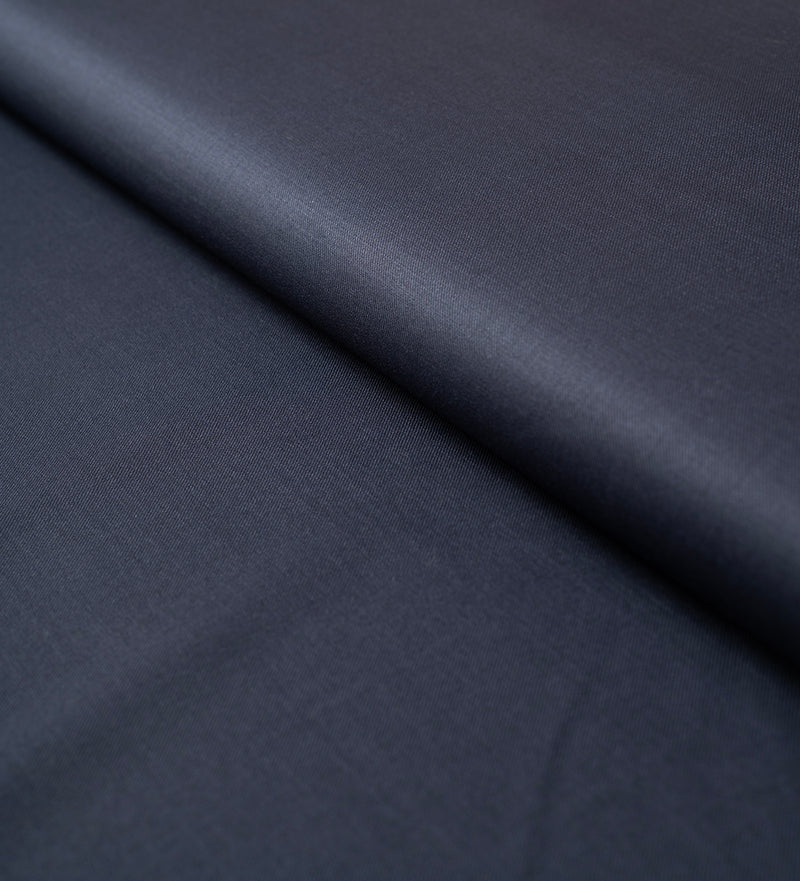
If pure wool is calling your name, these Austrian and Italian-milled wool suiting fabrics sit at the top of the range — fine, soft, and built for executive tailoring.


Leaning toward something lighter for festive or everyday wear? These pure linen shirting and kurta fabrics bring breathability without giving up on formality.


Frequently asked questions
Is pure wool better than wool blend?
Pure wool offers superior comfort and luxury, while wool blends provide better affordability and durability.
Are wool blend suits good for daily wear?
Yes. Wool blend suits are an excellent choice for office wear and regular use because they require less maintenance.
Which suit fabric lasts longer?
High-quality wool blends often last longer under heavy use, while pure wool retains its premium feel for years when properly maintained.
Is wool suitable for Indian weather?
Yes. Lightweight Merino wool and wool blends are suitable for most Indian climates, including monsoons and festive seasons.
The honest bottom line
Both wool and wool blend suit fabrics have their strengths. Pure wool delivers unmatched luxury, comfort, and elegance, while wool blends offer practicality, durability, and value.
If you're investing in a timeless wedding or formal suit, pure wool remains the gold standard. However, for everyday sophistication and versatile styling, a premium wool blend is often the smarter choice.
"The right fabric doesn't just fit your body,
it fits your life."


